Your personal loan program, built to stay live
After the money goes out, balances change, cases open, payment plans shift, and collections start.
Charge-off decisions hit. Backdated changes need to be corrected. Peach handles that servicing work inside the system.
Lending innovators build on Peach






You stay live after the money goes out
The audit trail stays intact
A Servicemembers Civil Relief Act rate cut lands after launch. Loan Replay recalculates. Original entries stay invalid, not overwritten.
Restricted messages don't send
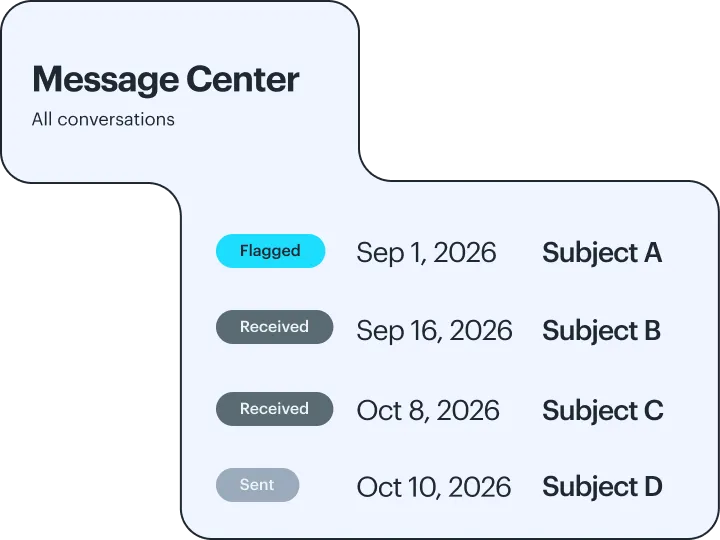
Compliance Guard Monitor auto-creates the case in borrower history when an OFAC match or bankruptcy lands, so audit review doesn't stall.
Compliance Guard Monitor opens Servicemembers Civil Relief Act, bankruptcy, deceased, and Office of Foreign Assets Control cases.
Small loans need very little manual work
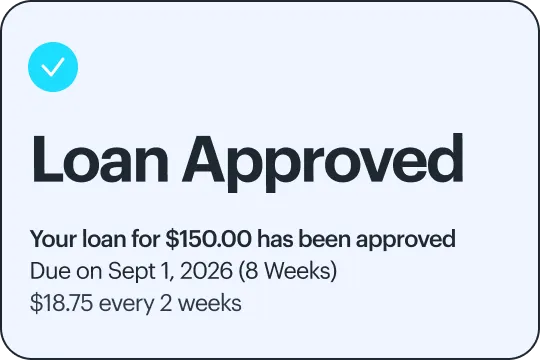
On a $75 loan, one manual servicing action can erase the economics. Peach recalculates later changes for accounting and reporting.
You build the product, our platform powers what comes after
Your product can be different
A new construct, a new segment, or a rate other lenders don't run. Peach can support a standard template or a more configurable build.
The hard cases stay in-system
Bankruptcy, Servicemembers Civil Relief Act cases, and deceased borrowers live in the servicing workflow.
Office of Foreign Assets Control matches, collections, and retroactive corrections stay there too.
Backdated changes don't become spreadsheets
A backdated rate change. A failed Automated Clearing House payment later clears. A hardship waiver applies retroactively.
Standard consumer installment loans without collateral. Not federal student loans.
The work that starts after disbursement
Loan Replay goes back and recalculates forward
Effective date
Choose the date the change should have started. Loan Replay replays the period after it.
Recalculation
Loan Replay recalculates interest and reapplies fees and payments.
Audit trail
Original ledger entries are invalidated, never overwritten.
Rate and payment
Service members Civil Relief Act rate cuts and Automated Clearing House reversals stay in-system.
Hardship and index
Retroactive hardship waivers and portfolio index-rate changes stay in-system too.
Compliance Guard enforces before messages send
Coverage
Rules cover federal regulations, all 50 states, and DC. You don't map 51 jurisdictions yourself.
Your control
You set the rules. Compliance Guard enforces them on messages sent through Peach. No agent override on program rules.
Debt validation
Automated notices in 11 states, triggered by loan activation or first overdue. State logic you don't have to build.
Monitor
Before the borrower ever calls, Monitor checks the Department of Defense database and opens the SCRA case.
Massachusetts cap
Massachusetts caps collection calls at 2 per 7 days. Peach tracks that interaction window and blocks calls over the cap.
Hardship and modification, native at volume
Payment Plans
When a plan is set, the loan extends or shortens automatically to match it. One active plan at a time.
Promise to Pay Plans
Promise to Pay Plans are tracked as promises, not guaranteed payments.
Loan freeze
A loan freeze stops accrual, payments, and notifications. One state change covers the whole pause.
Core case types, plus charge-off
Core cases
Bankruptcy, Servicemembers Civil Relief Act, deceased, and Office of Foreign Assets Control cases are built in.
More cases
Do Not Interact, Disputes, Collections, and Federal Emergency Management Agency cases ship out of the box.
Super Cases
One bulk action covers the whole affected borrower group, not one case at a time.
Charge-off
Assignment to a collection agency is native, and Peach remains the system of record. One servicing history, end to end.
One record
Loans, cases, interactions, and notes tie to the borrower. An agent opens one record and sees the whole history.
Built for the engineer running diligence
Your engineers can evaluate Peach directly. The docs show the API shape, data model, and known system constraints.
566 operations across 356 paths
The docs cover a broad servicing API. The OpenAPI 3.0.3 spec is downloadable in JSON or YAML.
80+ webhook event types
Webhook events cover loan status, payments, autopay, cases, fees, rates, credit reporting, and communication blocks.
Borrower-centric data model
Loans, cases, interactions, and notes tie back to the borrower. Servicing, compliance, and messages start from that record.
Honest architectural constraint
During Loan Replay, Peach locks the ledger. Concurrent writes return HTTP 423 Locked, so your system waits and retries.
Four access methods
Direct API, webhooks, a Google Cloud Storage or Snowflake replica, and loan and payment tape files move data on your schedule.
Investor reporting and ownership tracking
Investor records, direct settlement, and ownership tracking live at the loan level.
Configurable loan tapes can be delivered by Secure File Transfer Protocol.
By now you've seen the servicing depth. The open question is build it in-house, or run it on Peach.
It starts with the math of short loans and lived servicing experience.
Why short loans run better on Peach

Priced for active loans
Peach prices by active loan per month. For short-lifecycle loans, that keeps servicing cost tied to the months the loan is actually active.

Built from the inside
Built by lending infrastructure veterans from Affirm and Enova. Designed for $75-loan economics, where manual work can erase the margin.

Square runs on Peach
Square is a Peach customer for lending infrastructure. Peach can serve Square and still know your team by name.

Your data stays yours
Direct API, webhooks, a warehouse replica, and tape files. Your data moves freely, on your schedule, with no proprietary lock-in.


"Peach's flexible servicing solution is exactly the kind of modern, enterprise-grade infrastructure we need for scaling products like our Square Credit Card."


Your product, your borrowers, the servicing handled
We'll start with the product you're building, the book you're servicing, and the parts that keep you up at night.
Then we'll build the plan together.