The backend your engineers actually want
Whether you're building your first lending product or rebuilding the one that got you here, the backend matters. Peach is API-first with full REST parity. Your team builds on the system, not around it.
P99 Improvement
Your heaviest operations, twice as fast. p99, not averages.
Accounts Supported
Active accounts across live lending programs. You won't hit our ceiling.
Net Revenue Retention
Partners don't just renew. They launch product two, then three.
Where your engineering hours actually go
Servicing eats the sprint
The workaround that sticks
Regs that keep coming
Three systems, one codebase.
Your lending backend.
Adaptive Core
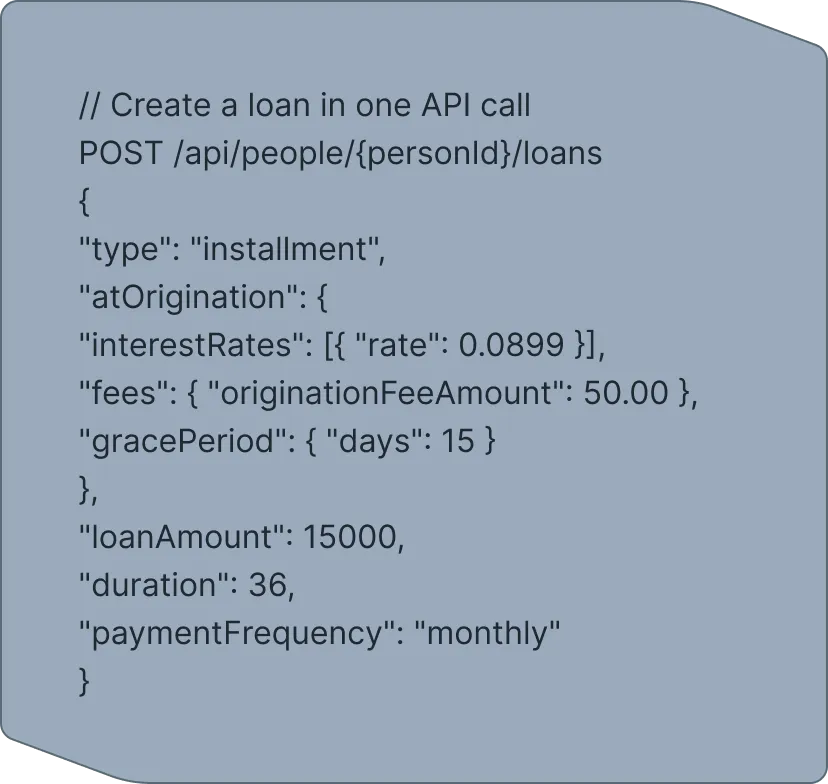
Whether it's installment, revolving, BNPL, or a product nobody's built yet, the engine runs it natively. Over 200 configuration variables. Your rules, not custom code.
Servicing Suite
Everything from borrower portals to agent tools to payment processing and collections tools ships on day one. That's how teams go live in weeks, not quarters.
Compliance Guard
When federal collection rules shift or a state changes its contact restrictions, Compliance Guard catches it and updates automatically. Nobody gets pulled off the roadmap.
Adaptive Core
The engine behind every product you'll build on Peach

Go back in time. The system handles the rest
Reverse a payment, backdate a rate change. Loan Replay recalculates every accrual, fee and payment from that point. The ledger stays intact.
Your product rules are config, not code
You define how interest accrues and what happens after a missed payment. They apply across every product you build on Peach.
Four ways to get your data out
API access when you want it. Webhooks as it happens. A replica syncing to GCS or Snowflake on your schedule. And loan tapes your partners trust.
Every UI feature has an API behind it
Use Peach's white-label portals to launch fast. Build your own when you're ready. Swap any component at any time. It's your frontend.
Compliance Guard
Regulations change. Your engineers don't need to
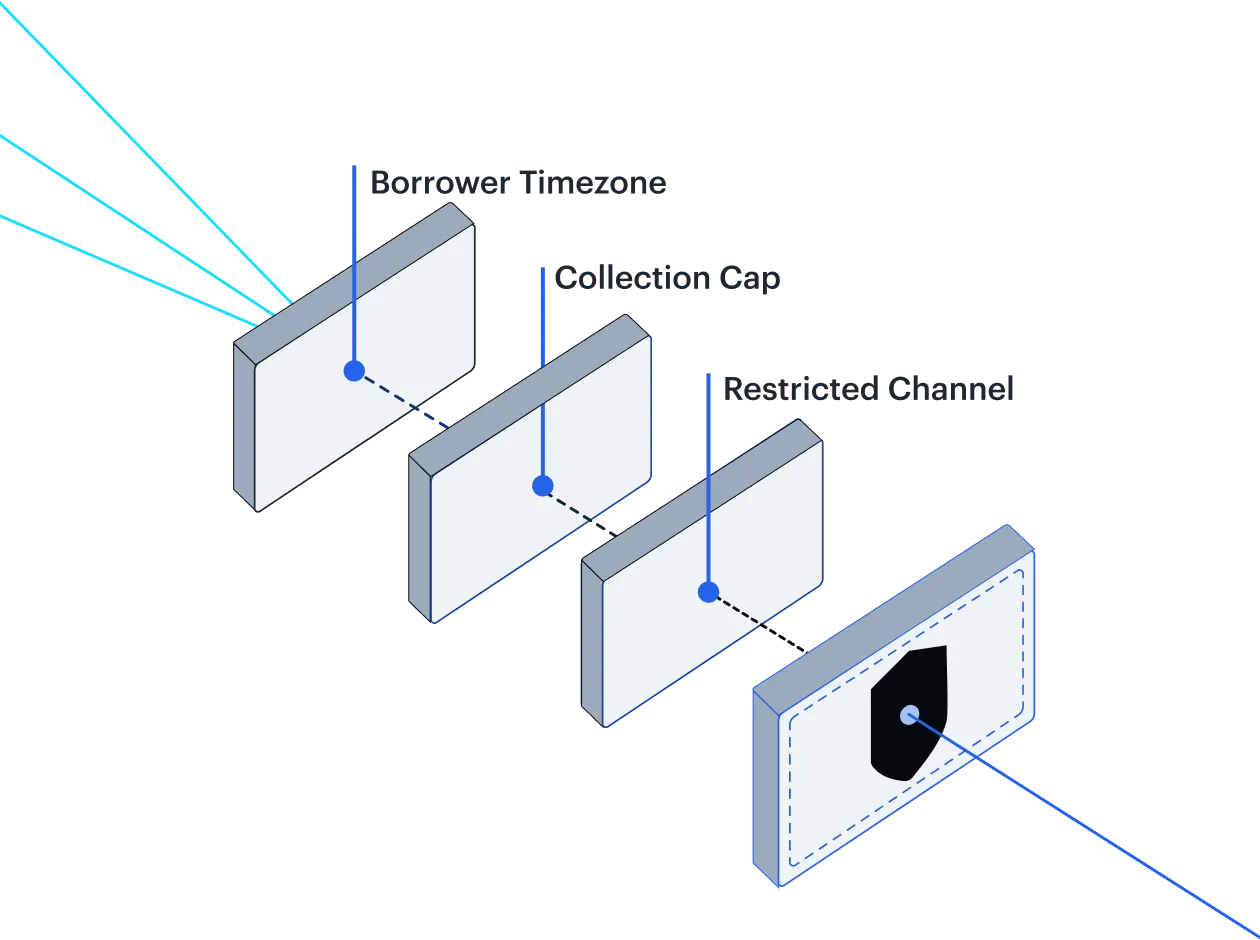
Every outbound interaction is checked before it sends
It knows the borrower's timezone, that Massachusetts caps collections at two a week, and which channels are restricted. Nobody overrides it.
Cases you'll never need to build manually
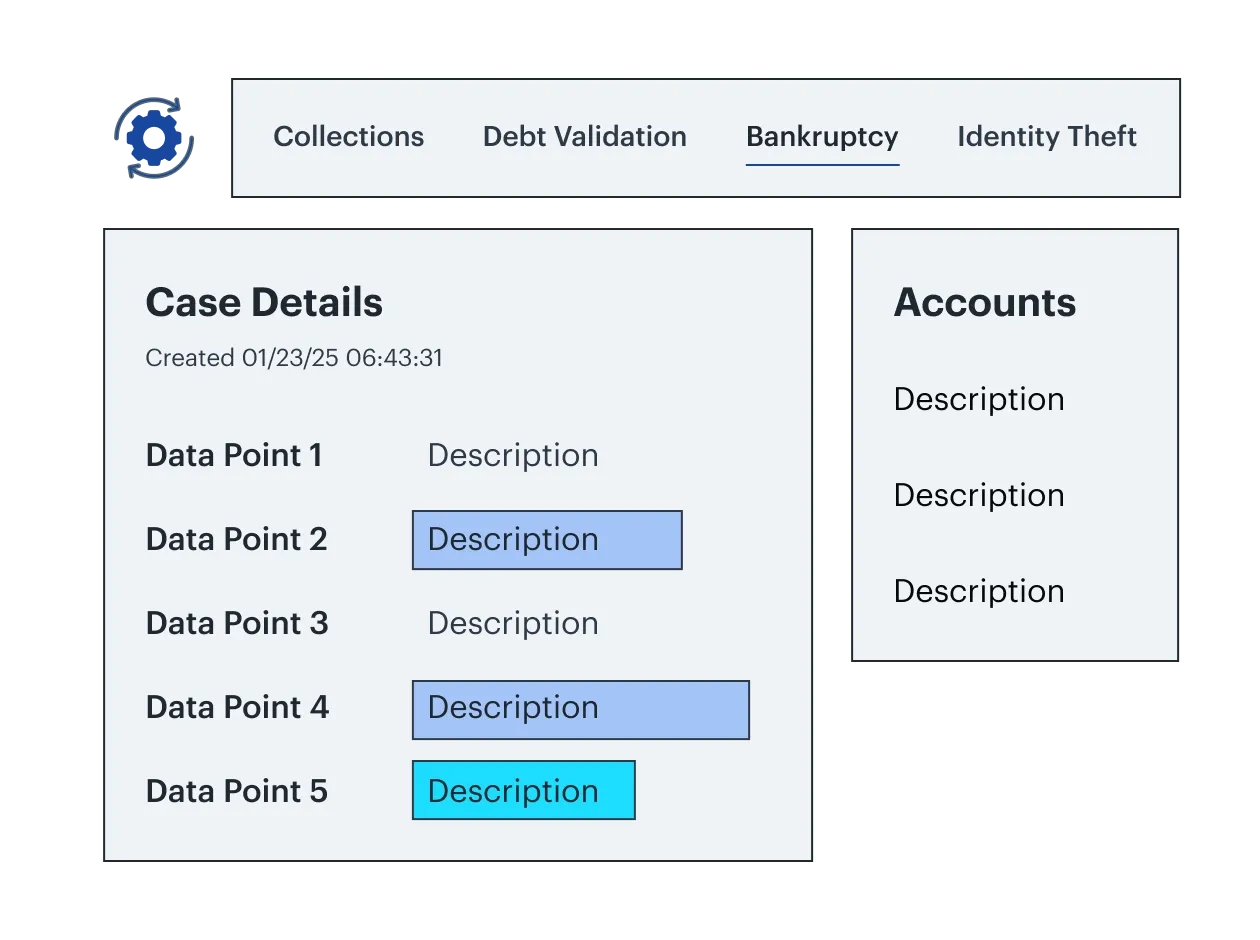
Compliance Guard monitors for bankruptcy, servicemember changes, sanctions, and natural disasters. When it catches one, the case is auto-created and pre-filled.
Your ledger tells the whole story
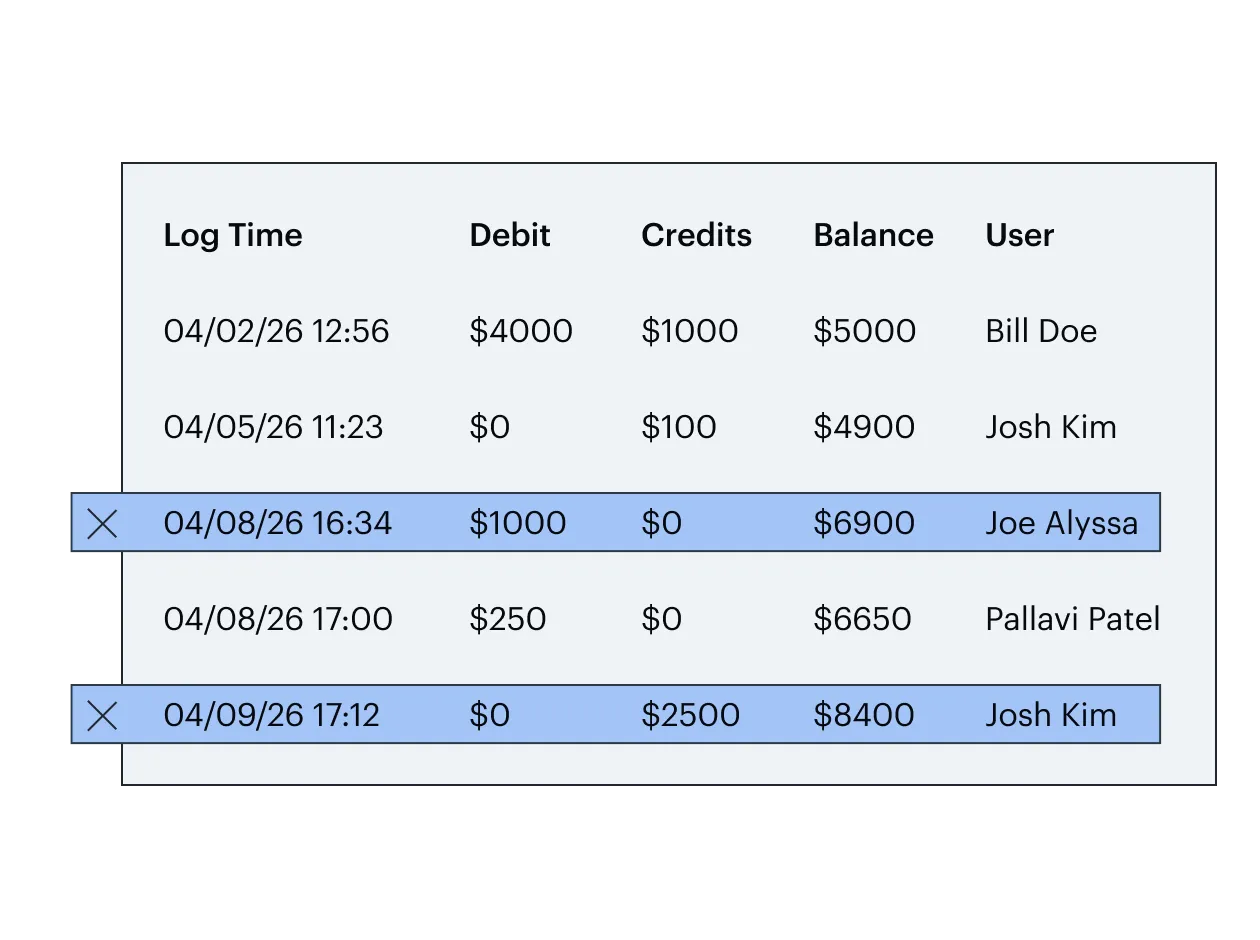
Every action tracked: who did what, when. Entries invalidated, never overwritten. When regulators come looking, the record is already there.
Servicing Suite
Built in, not bolted on

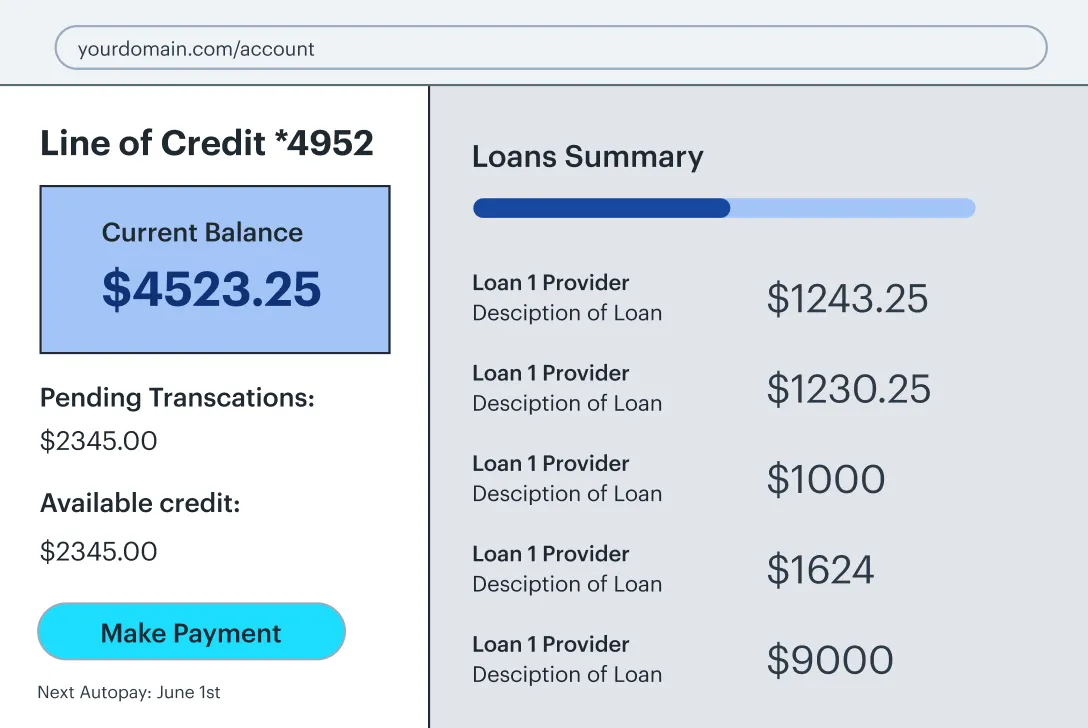
Your borrowers get a portal. You don't build one
Borrowers manage payments, auto-pay, and documents from one screen. White-label it, embed it or host it. Swap it out when you're ready.

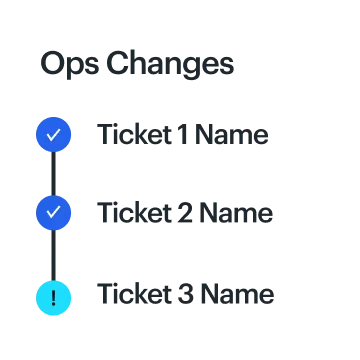
Ops changes that don't need an engineer
Your ops team handles cases, queues and six communication channels without switching tools. Your admin configures the routing. No dev team needed.

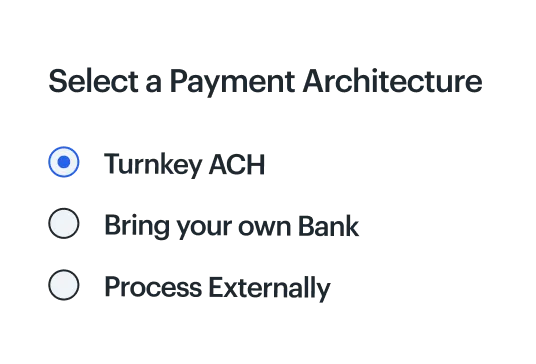
Three payment architectures. Pick the one that fits
Turnkey ACH and cards through Peach. Bring your own bank. Or process externally and post via API. Switch between them as your program grows.

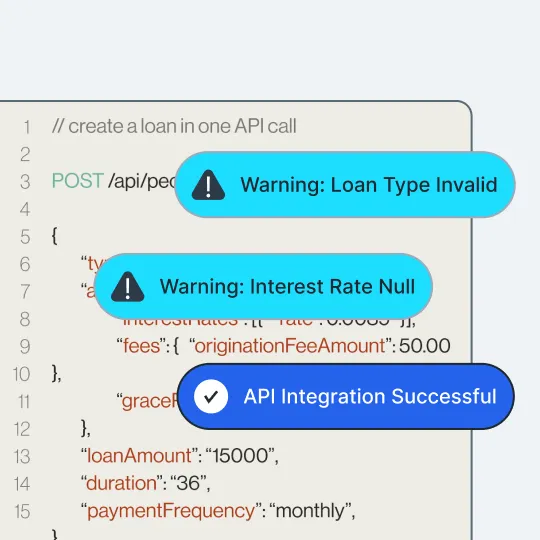
Your engineers will know it fits in 20 minutes
Full sandbox, the same API your production system runs. When they hit something unexpected, they're talking to the people who built it.
Why teams stay

Engineers on your calls
Your implementation questions go to the people who built the system. Not a help desk. Not L1 support. The same engineers who wrote the code.

We start with your stack
Peach builds around what you already run. We map your architecture, match your data flows, and work backwards from your timeline.

Built from inside lending
The team built Affirm's lending engine under Max Levchin, then started Peach as the next generation. They lived inside the problem.

No lock-in by design
API, webhooks, database replica, loan tapes. If you ever want your portfolio back, it's ready to export.

Compliance is built into the engine
SOC 1 Type 1, SOC 1 Type 2, SOC 2 Type 2, PCI DSS Level 1, and HIPAA. Compliance Guard enforces compliance rules in real time and monitors borrower status against applicable federal and state regulations.

Tested at real scale
One large fintech saw system timeouts drop from tens of thousands to a few hundred per week. Production borrowers. Real money on the line.


"Peach's flexible servicing solution is exactly the kind of modern, enterprise-grade infrastructure we need for scaling products like our Square Credit Card. Peach is enabling us to focus on growth by freeing up our teams to concentrate on what we do best: building innovative cash flow solutions to help our sellers."




Let's hear what you're building.
You're building a product your borrowers will love. Or moving one they already do. We'll start with your architecture and work backwards from there.