The backend your engineers actually want
Fintech teams don't come to Peach because they can't build. They come because rebuilding servicing infrastructure pulls engineers away from the product they actually want in market. Start with the API docs. You'll find 566 operations across 356 endpoints, 100+ webhook event types, and a downloadable OpenAPI spec.
$2B+ in active loans across 50+ lenders





What your team builds when Peach runs the backend

Engineers on your product

Your brand, your experience
Your data, four ways out
You bring the product. We bring the API
Your product vision
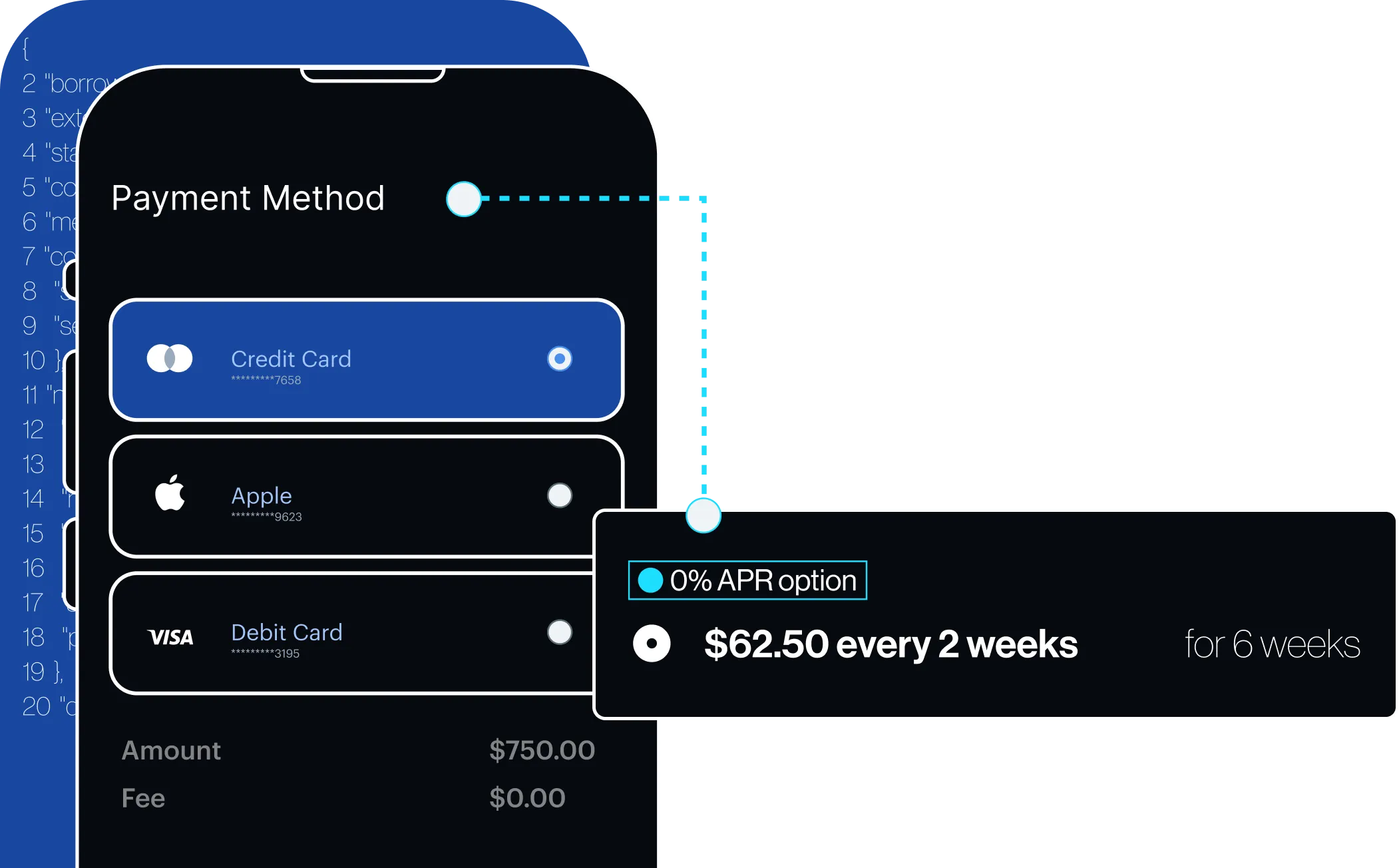
Your team defines the product: installment, revolving, BNPL, cards, or something new. Peach configures the engine with 200+ variables.
Our API, depth first
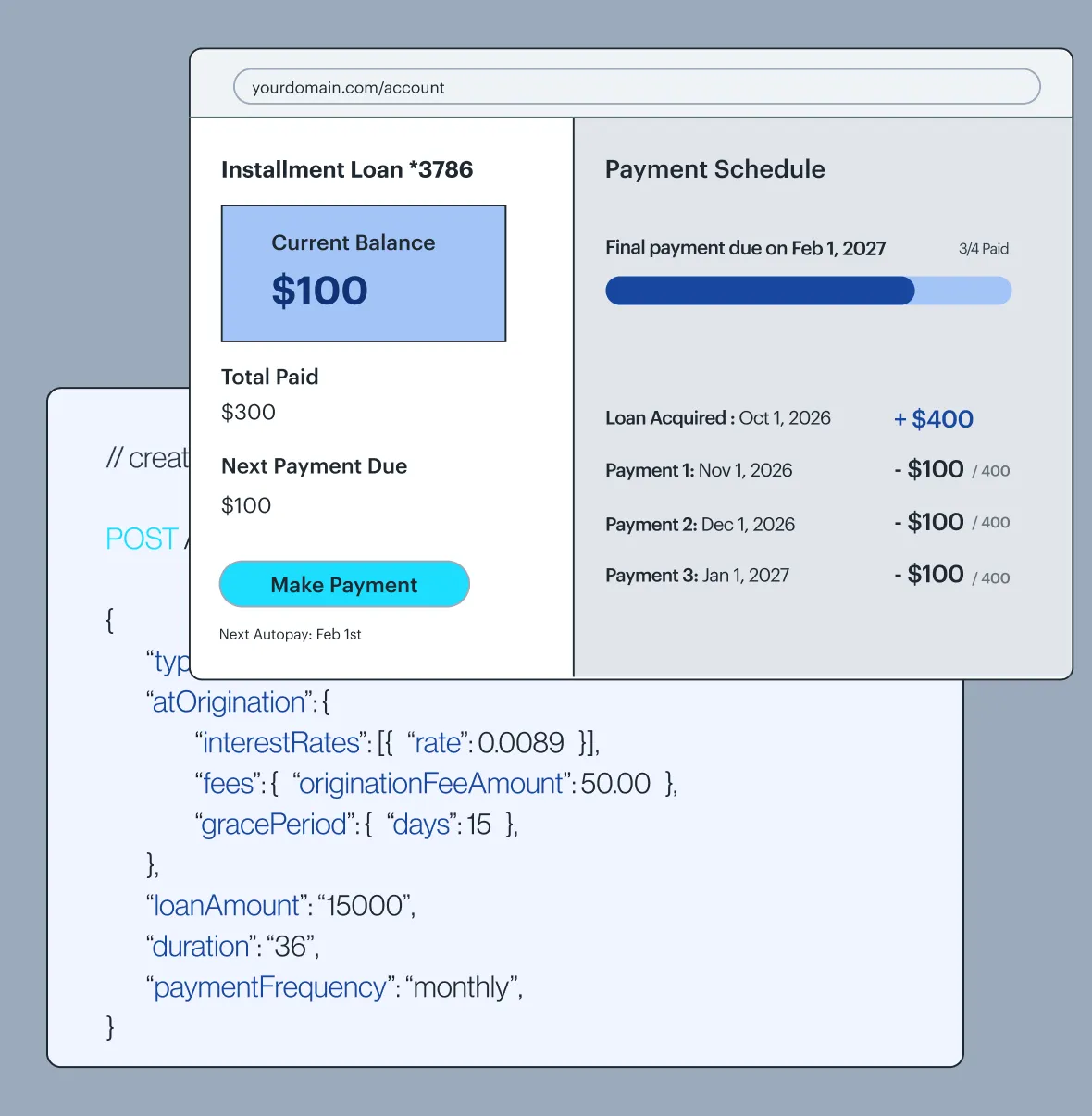
566 operations across 356 endpoints. RESTful JSON, three auth methods, and a downloadable OpenAPI spec your engineers can inspect.
How your team evaluates Peach
An API you'd pick as a dependency
Every core capability is available via API. External IDs remove mapping work. Async-first, optional sync mode, cursor pagination.
Run alongside your existing core
Peach can run as your core or sub-ledger. If you're on Galileo, sync runs through a webhook proxy, so you can start with one product.
Know what happened, the moment it happens
100+ webhook event types cover the loan lifecycle. Payments, autopay, status changes, and compliance cases reach your system as they happen.
Every transaction, visible in real time
Your team sees every purchase from authorization through settlement as it happens. When disputes come in, they resolve inside your CRM instead of a separate system.
Your stack, connected
The infrastructure your engineering team already runs on.

Plaid
Account verification and balance checks through Plaid. Your existing setup works with Peach payment instruments from day one.

SoFi Tech Solutions
Already on SoFi Tech Solutions? Peach syncs as a sub-ledger through a webhook proxy. SoFi keeps processing while Peach supports servicing.


GCS / Snowflake
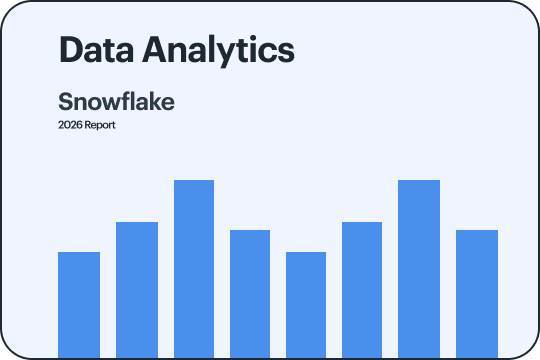
Database replica syncs to GCS or Snowflake on your schedule. Your analytics stack reads Peach data directly.

SendGrid / Twilio
Email, SMS, phone, and chat run through services your team knows, with Peach templates, branding, and compliance checks.


TransUnion / Experian / Equifax
Metro 2 reporting to TransUnion, Experian, and Equifax, automated and configurable by loan.
Your engineering team can evaluate the API in an afternoon. Here's why fintech teams stay on Peach after they go live.
Why teams stay on Peach

Solutions Engineers on your calls
Solutions Engineers take your calls, in implementation and after. They know the product cold, and they know lending.

We start with your stack
Your architecture, your data flows, your timeline. Peach starts there and builds around it.

Built from inside lending
Peach was built by people who helped scale Earnest, Avant, and Prosper. They know which edge cases break at scale.

No lock-in by design
API, webhooks, database replica, loan tapes. If you ever want your portfolio back, it's ready to export.

Compliance is built into the engine
SOC 1 Type 1, SOC 1 Type 2, SOC 2 Type 2, PCI DSS Level 1, and HIPAA. Compliance Guard enforces compliance rules in real time and monitors borrower status against applicable federal and state regulations.

Tested at real scale
One large fintech saw system timeouts drop from tens of thousands to a few hundred per week. Production borrowers. Real money on the line.


"Fintech teams that launch on Peach don't outgrow it. They ship product two, then three, on the same infrastructure."

Let's talk about what you're building
We'll start with your product, your stack, and your timeline, then work backwards from there.